CNC Turning Services for Custom Metal Parts
What is CNC Turning?
CNC Turning is a high-precision computer-controlled subtractive manufacturing process used to produce rotational, cylindrical, or conical metal components.
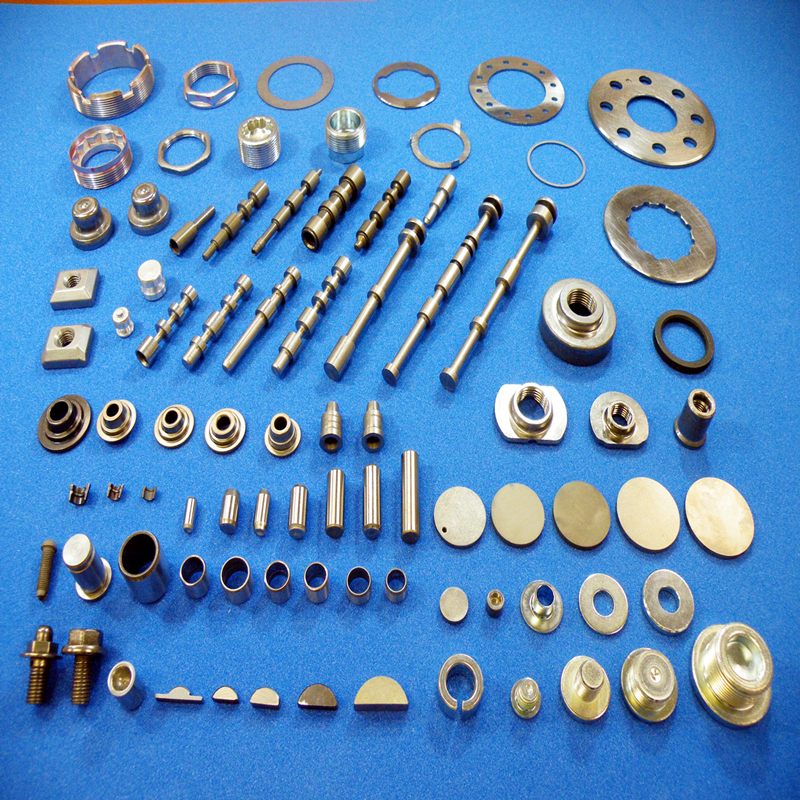
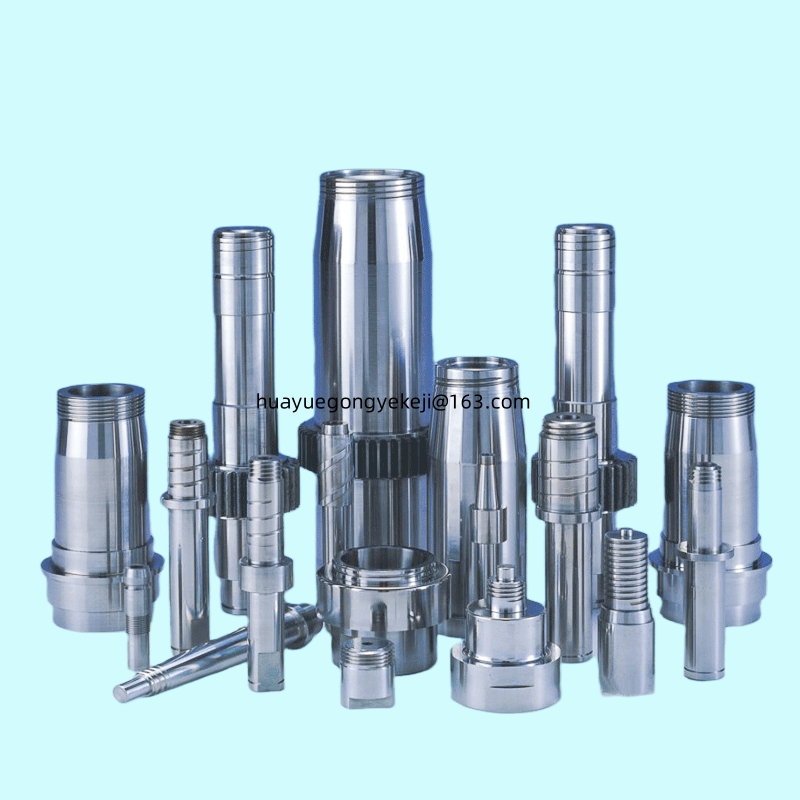
In this process, a cylindrical metal bar (stock) is secured in a lathe chuck and rotated at high speeds while a stationary single-point cutting tool removes material along the rotational axis. CNC turning is ideal for manufacturing shafts, pins, bushings, fasteners, and complex custom metal components requiring tight tolerances and smooth surface finishes.
<!----><!----><!----><!----><!----><!----><!----><!----><!----><!----><!----><!----><!----><!----><!----><!----><!----><!----><!----><!----><!----><!----><!----><!----><!----><!----><!----><!----><!----><!----><!----><!----><!----><!----><!----><!----><!----><!----><!----><!----><!----><!----><!----><!----><!----><!----><!----><!----><!----><!----><!----><!----><!----><!----><!----><!----><!----><!----><!----><!----><!----><!----><!----><!----><!----><!----><!----><!----><!----><!----><!----><!----><!----><!----><!----><!----><!----><!----><!----><!----><!----><!----><!----><!----><!----><!----><!----><!----><!----><!----><!---->
How the CNC Turning Process Works
<!----><!----><!----><!----><!----><!----><!----><!----><!----><!----><!----><!----><!----><!----><!----><!----><!----><!----><!----><!----><!----><!----><!----><!----><!----><!----><!----><!----><!----><!----><!----><!----><!----><!----><!----><!----><!----><!----><!----><!----><!----><!----><!----><!----><!----><!----><!----><!----><!----><!----><!----><!----><!----><!----><!----><!----><!----><!----><!----><!----><!----><!----><!----><!----><!----><!----><!----><!----><!----><!----><!----><!----><!----><!----><!----><!----><!----><!----><!----><!---->1.<!----><!---->CAD Model & CAM Programming:<!----><!----><!----><!---->The part geometry is created using 3D CAD software and translated into machine-readable G-code/M-code via CAM software, defining cutting paths, speeds, and feed rates.
<!----><!----><!----><!----><!----><!----><!----><!----><!----><!----><!----><!----><!----><!----><!----><!----><!----><!---->
<!----><!---->2.<!----><!---->Machine Setup & Material Loading:<!----><!----><!----><!---->The metal bar stock is loaded into the lathe spindle chuck, and appropriate cutting inserts (carbide, ceramic, or diamond) are installed into the tool turret.
<!----><!----><!----><!----><!----><!----><!----><!----><!----><!----><!----><!----><!----><!----><!----><!----><!----><!---->
<!----><!---->3.<!----><!---->Precision Machining Execution:<!----><!----><!----><!---->The lathe spins the workpiece at controlled RPMs while automated cutting tools shape outer diameters (OD), inner diameters (ID), threads, grooves, and contours.
<!----><!----><!----><!----><!----><!----><!----><!----><!----><!----><!----><!----><!----><!----><!----><!----><!----><!---->
<!----><!---->4.<!----><!---->Inspection & Quality Control:<!----><!----><!----><!---->Machined metal parts undergo rigorous dimensional inspection using CMMs, micrometers, and optical comparators to verify tolerances down to ±0.005 mm.
<!----><!----><!----><!----><!----><!----><!----><!----><!----><!----><!----><!----><!----><!----><!----><!----><!----><!---->
<!---->
Common Metal Materials for CNC Turning
| Material | Key Properties | Typical Applications |
| Aluminum (6061 / 7075) | Lightweight, excellent machinability, high corrosion resistance | Aerospace fittings, automotive housings, heat sinks |
| Stainless Steel (304 / 316 / 17-4PH) | Superior strength, heat resistance, excellent anti-corrosion | Medical devices, marine hardware, food processing gear |
| Brass (C360 / Free-Cutting) | High machinability, low friction, decorative aesthetic | Electrical connectors, plumbing valves, threaded inserts |
| Titanium (Grade 5 / Ti-6Al-4V) | Extreme strength-to-weight ratio, biocompatible | Surgical implants, aerospace fasteners, performance auto |
| Carbon & Alloy Steel (12L14 / 4140) | High wear resistance, durable, cost-effective for strength | Gears, axles, heavy machinery shafts, hydraulic fittings |
Key Turning Capabilities & Operations
Facing: Flat surfaces cut perpendicular to the rotational axis to adjust part length.
Taper Turning: Creating conical surfaces by feeding the tool at an angle to the axis.
Grooving & Parting: Cutting narrow recesses or severing the completed part from the stock.
Threading (Internal & External): Cutting precise helical threads for assembly.
Boring & Drilling: Creating axial holes or enlarging existing inner diameters with high concentricity.
Live Tooling (CNC Turn-Mill): Performing off-center milling, drilling, and tapping without transferring parts to a separate mill.
Why Choose CNC Turning for Metal Components?
High Concentricity & Symmetry: Unmatched precision for round or symmetrical geometries that require tight axial alignment.
Tight Tolerances: Consistently delivers critical tolerances (down to ±0.005 mm / ±0.0002 in).
Cost Efficiency for Volume: Rapid cycle times and material removal rates make it highly economical for medium to high-volume production.
Superior Surface Finish: Smooth as-machined surface finishes (Ra 0.8 µm to 3.2 µm), reducing the need for secondary polishing.